The Hidden Reason Your Spring Allergies Feel So Intense This Year
I’ve been seeing this go around on the internet and wanted to debunk it, while also addressing the main point of the conversation- allergies.
I have been seeing a lot of things saying that the increase in spring allergies is due to the fact that people plant more male trees (that send out pollen) then female trees. Not only are people getting annoyed with having allergies, they are also upset that more female trees are not being planted to help with this issue.
However - we need to take a look at plants and how they send out pollen. There are different sexes of plants. You have plants that have just male parts (that send out pollen), and plants with just female parts (that receive the pollen).These are called dioecious plants. You have plants that have both male and female parts within the same plant, these are called monoecious plants. Then you also have hermaphroditic plants where one single flower has both male and female parts.

The plants that are getting blamed for the spring time allergies (dioecious plants), that send out pollen, only make up 6% of all plants. Pines and other conifers are dioecious and yes, they produce a lot of pollen all at once. Here's the thing though, if there is more pollen year after year, it's not because of the trees themselves. Rising CO2 levels will cause a higher pollen output for plants.
So don’t blame the dioecious trees for doing their job… blame industries that vastly contribute to rising CO2 levels. Getting into why there is more CO2 is a conversation for another day.
Now that that is out of the way - here is what you can do about your allergies as the springtime comes.
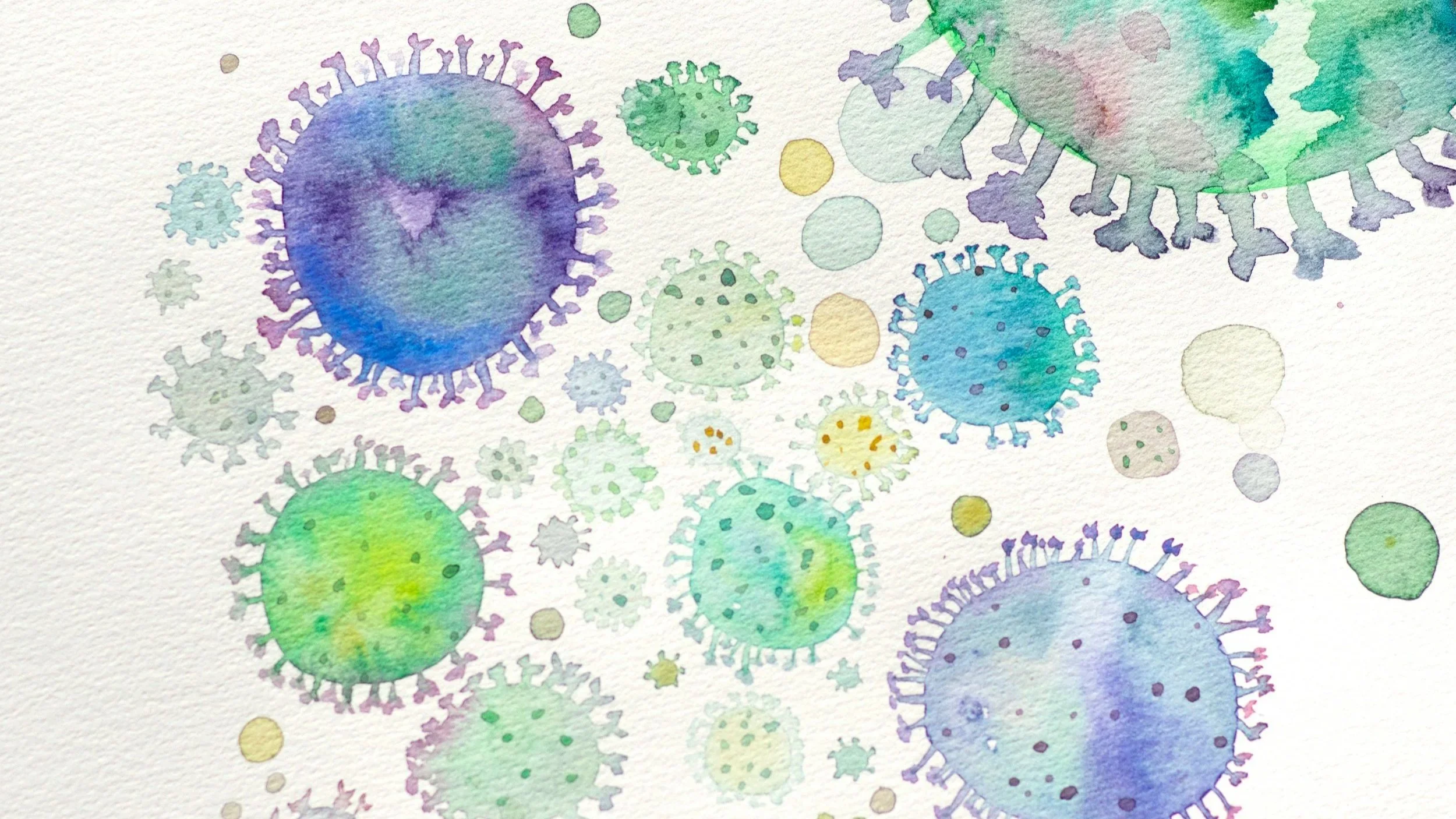
When your body encounters allergens like pollen, it releases a compound called histamine. Histamine is part of your immune system and as much as it can be really annoying at times it’s there to help protect you. A large part of your immune system not only lives but is also actively regulated in your gut. So this means that the health and state of your gut will help to determine:
How reactive your immune system is.
What your body perceives as a threat.
How quickly you calm down after an immune response.
To simplify things, when your gut is in a more balanced state, your immune system tends to respond more appropriately, overreacts less and is more regulated. However, when your gut is under stress, inflamed, or imbalanced, that same immune system can become more sensitive.
Certain bacteria in the gut can influence your histamine levels by either - helping to break it down, or actually helping to produce more histamine. Your body relies on a specific enzyme produced in the gut lining called Diamine oxide (or DAO) to help break down histamine. So when your gut lining is healthy, your body is able to process histamine more efficiently.
When your gut lining is irritated or compromised, our DAO activity can decrease and histamine isn’t broken down as well meaning symptoms can feel stronger, longer lasting, or more widespread. This can be a contributing factor as to why people feel like their allergies get worse over time. When you pair having already existing gut issues with seasonal allergies, it's something to pay attention too. Patterns to look for would be :
Allergy symptoms that feel more intense each year.
Bloating, gas, or irregular digestion during allergy season.
Food sensitivities that seem to fluctuate.
Reactions to fermented, aged, or leftover foods.
A general sense of inflammation (eg skin, sinuses, digestion).

What Actually Helps
Support Your Gut Lining
Regular, balanced meals
Stop skipping meals or eating sporadically. This can cause our blood sugar levels to drop, allowing our stress hormones to rise, adding extra unneeded stress on our system. Combine your plate with enough protein, carbohydrates and colourful non starchy, colourful veggies. Three times a day, with enough beneficial fluids as well.
Enough protein to support repair
The body needs protein to help repair the gut lining, produce enzymes and help to regulate immune function. This means aiming for having a protein source with every meal, and aiming for 20-30 grams of protein per meal.
Warm, cooked foods if your digestion feels sensitive
Raw, cold foods can be harder to tolerate for some people this time of year, especially if you already lean towards being bloated. Warmed or cooked foods are easier for our body to digest and break down.
Keep Things Moving
Histamine is processed and eliminated through the body. This means you have to get it out of the body. If you aren't going to the bathroom regularly, histamine and other byproducts will stay in your system longer than needed.
Aim for regular bowel movements
You want to make sure you are going to the bathroom at least once a day.
Hydrate!
Hydration matters and helps keep our elimination pathways going! Instead of starting your day off with coffee, start with a glass of lemon water. Sip your drinks as opposed to drinking a lot at once when you remember to drink more.
Fiber matters.
Fibre feeds your good gut bacteria and helps to support elimination. However, adding a lot of fibre to your diet at once can throw your digestion off. Focus on fibre consistency and adding little bits more at a time rather than loading up on raw vegetables or drastic changes.
Regulate Your Nervous System
This piece is often underestimated but your stress response directly affects your gut function, immune reactivity and your inflammation levels.
Help regulate by getting outside into natural light.
Morning light is best because it will help with your circadian rhythm, but if that isn’t feasible for you, anytime of the day will do. Just get outside.
Slowing down meals
Eating slowly and chewing your food is the only part of our digestion that we have conscious control over. Slow down. Take a few breaths before starting your meal, and chew your food thoroughly. Try not to multitask while eating your food, and let your body just focus on digesting.
Creating moments of quiet in your day.
This is going to look different to everyone, but mark out a time for you. Even if it's just 5 minutes. It doesn't have to be anything crazy either. It can be sitting outside with your coffee or tea. Going for a short walk, leaving your phone at home. It could be laying down for 5 minutes between tasks. Make space for yourself.

Remember that isn’t just about what you’re exposed to, but it’s about how your body handles that exposure (this applies to more than just allergies, by the way.) And since your gut houses your immune system, your gut plays a quiet but huge role in shaping that response.When you support your gut you’re often helping your body feel less reactive, more resilient, and more at ease in a season that can otherwise feel overwhelming.
If your allergies feel like they’re getting worse each year, or you notice your digestion struggling alongside them, that’s worth paying attention to and starting to implement some of the things above.
But don't blame the trees.